
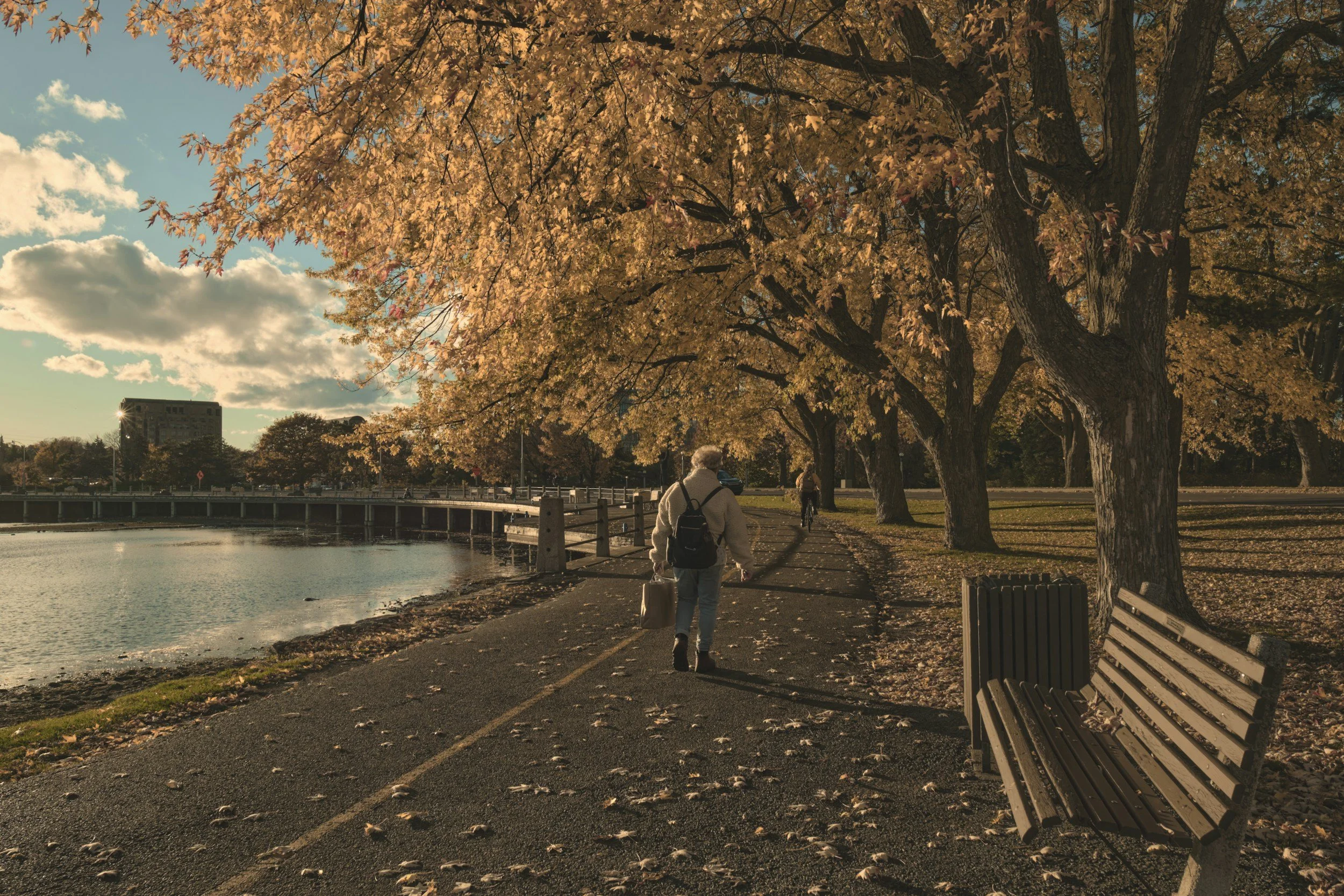
As October winds down, the evenings close in faster, the air turns sharp, and the calendar starts filling with holiday plans. On the first Sunday in November, daylight saving time ends and the clocks fall back an hour. For some people, these shifts bring a cozy sense of slowing down. For others, they bring something harder to name: a tight chest in the late afternoon, a racing mind at bedtime, or a vague sense of dread about the months ahead.
Most conversations about seasons and mental health focus on low mood and winter depression, and our article on managing mental health through changing seasons covers that broader picture. This post zooms in on a related experience that gets less attention: seasonal anxiety. We will look at why anxiety can rise during fall and winter transitions, how the time change plays a role, and practical steps you can take to feel more grounded.
What Seasonal Anxiety Looks Like
Seasonal anxiety is not a formal diagnosis on its own. It is a way of describing a pattern in which worry, tension, or restlessness predictably increases around certain times of year. For many people in western Pennsylvania, that time is late fall, when daylight shrinks and routines change quickly.
It can be easy to confuse seasonal anxiety with ordinary seasonal stress. Everyone feels busier around the holidays, and a little extra tension is normal. If you are unsure where the line is, our post on anxiety versus normal stress explains the difference. Seasonal anxiety tends to feel more persistent, more physical, and harder to shake off even when the immediate pressures ease.
How It Differs From Seasonal Depression
Seasonal depression usually centers on heaviness: low energy, oversleeping, withdrawal, and a loss of interest in things you normally enjoy. We have written about this specifically in seasonal affective disorder in Pittsburgh. Seasonal anxiety, by contrast, often feels activated rather than flat. People describe feeling keyed up, irritable, or unable to settle. The two can overlap, and some people experience both at once.
Why Changing Seasons Can Trigger Anxiety
Several factors tend to converge in the fall, and together they can nudge the nervous system toward a more alert, anxious state. Understanding these factors can make the experience feel less mysterious and more manageable.
Less Daylight and Disrupted Rhythms
Our internal clocks rely on light to know when to feel awake and when to wind down. As mornings stay dark longer and evenings arrive early, those cues become less clear. Many people notice their energy dipping in the afternoon and their thoughts speeding up at night, which is a combination that can feed worry.
The Daylight Saving Time Shift
Falling back an hour sounds like a gift, but the abrupt change can throw off sleep, appetite, and mood for days or even weeks. Sleep and anxiety are closely linked, as we explore in our article on the connection between sleep and mood disorders. Even small disruptions can leave the body feeling less resilient to stress. The sudden early darkness after the time change can also feel like an emotional marker that the long winter has officially begun.
Anticipation of the Months Ahead
For some, fall anxiety is really anticipatory anxiety. Past winters may have been difficult, and the first signs of the season bring those memories back. Worry about holiday gatherings, travel, finances, family tension, or icy commutes can start weeks before any of those events actually arrive.
Physical Tension From the Cold
Cold weather tends to make people hunch, clench, and hold their bodies tightly. Combined with less movement and more time indoors, this can amplify the physical sensations of anxiety. Many people do not realize that symptoms like muscle tension, stomach upset, or a racing heart are anxiety-related, which is why we wrote about physical symptoms of anxiety you might be missing.
Signs Your Anxiety May Be Seasonal
Because seasonal anxiety builds gradually, it can be hard to notice until it is already affecting daily life. Looking back over the past few years may reveal a pattern you had not connected before.
Common signs include:
Feeling more on edge or irritable as the days shorten
Trouble falling asleep or waking during the night with a busy mind
Increased worry about upcoming holidays, travel, or obligations
Restlessness during long, dark evenings at home
A sense of dread when the clocks change or the first cold snap arrives
More frequent headaches, jaw tension, or stomach discomfort in the fall
Pulling back from plans because leaving the house feels like too much effort
If several of these feel familiar, it may be worth tracking your mood and stress levels this season. Noticing the pattern is often the first step toward changing it.
Practical Strategies to Ease Seasonal Anxiety
The good news is that seasonal anxiety often responds well to small, consistent adjustments. The goal is not to fight the season but to give your body and mind the support they need while it changes. Here are several approaches worth trying this fall.
1. Prepare for the Time Change in Advance
Rather than letting the clock change catch you off guard, begin shifting your bedtime and wake time by fifteen minutes a day during the week before. This gradual approach can make the transition feel gentler. After the change, try to keep your schedule consistent, even on weekends, so your body can recalibrate.
2. Get Morning Light Whenever You Can
Natural light early in the day helps anchor your internal clock. A short walk after breakfast, coffee by a bright window, or opening the blinds as soon as you wake up can all help. On gray Pittsburgh mornings, even overcast daylight is brighter than most indoor lighting.
3. Build a Calming Evening Routine
Long, dark evenings can give anxious thoughts plenty of room to grow. Plan a predictable wind-down routine that signals safety to your nervous system: a warm shower, gentle stretching, reading, or quiet music. Limiting news and scrolling in the hour before bed can also reduce the amount of worry you carry into the night.
4. Practice Grounding and Mindfulness
When anxiety spikes, grounding techniques can bring your attention back to the present moment. Slow breathing, naming what you can see and hear, or feeling your feet on the floor are simple places to start. Our guide to simple mindfulness practices for beginners offers more ideas you can use anywhere.
5. Keep Your Body Moving
It is tempting to hibernate once the weather turns, but regular movement helps release physical tension and burn off nervous energy. Indoor options like yoga, stretching, or a walk around a mall or community center count just as much as outdoor exercise.
6. Plan Ahead for Known Stressors
If holidays or family gatherings are a source of worry, make a plan now. Decide in advance how long you will stay, which traditions matter most to you, and where you can say no. Having a plan often reduces the sense of losing control that fuels anxiety.
You do not need to try everything at once. Choosing one or two strategies and practicing them steadily often works better than an ambitious overhaul.
When to Reach Out for Support
Seasonal anxiety is common, but it is not something you simply have to endure every year. If your anxiety is interfering with sleep, work, relationships, or your ability to enjoy the season, talking with a therapist can help you understand your patterns and build tools that work for you.
At South Hills Counseling, our therapists provide anxiety treatment that is tailored to each person's needs, and we also offer specialized support for generalized anxiety when worry feels constant rather than occasional. Starting support in the fall, before the darkest months arrive, can give you a head start on feeling steadier all winter.
What Therapy for Seasonal Anxiety Can Look Like
Therapy for seasonal anxiety usually begins with getting curious about your own pattern: when it starts, what makes it worse, and what has helped in the past. From there, a therapist can help you practice skills for calming your body, noticing and questioning anxious thoughts, and approaching situations you have started to avoid. Many people find that simply having a plan in place before the season changes reduces the dread they feel when the first dark evenings arrive. Sessions can take place in person or online, which can be especially helpful on snowy or icy days.
If you are ever in crisis or having thoughts of harming yourself, please call or text 988 in the United States, or contact emergency services right away.
Moving Through the Seasons With More Ease
Seasonal anxiety is a real and understandable response to shorter days, disrupted sleep, colder weather, and a busy season on the horizon. By preparing for the time change, protecting your sleep, seeking out light, moving your body, and planning for known stressors, you can soften its impact and feel more in control.
If this season feels heavier than you would like, you do not have to manage it alone. Reach out to South Hills Counseling to connect with a therapist and start building a plan that helps you feel grounded, not just this fall, but all year long.