
Have you been experiencing persistent headaches, digestive issues, or unexplained muscle tension that your doctor can't attribute to any physical condition? Perhaps you've had multiple medical tests that come back normal, yet your physical symptoms continue to interfere with your daily life. You might not realize that what you're experiencing could be physical manifestations of anxiety rather than purely medical problems.
At South Hills Counseling & Wellness, we frequently work with clients who initially sought treatment for physical health concerns before discovering that anxiety was the underlying cause of their symptoms. Understanding the connection between anxiety and physical health can help you recognize when your body is expressing emotional distress through physical sensations, allowing you to seek appropriate treatment that addresses the root cause rather than just managing symptoms.
Understanding the Mind-Body Connection
Anxiety isn't just a mental or emotional experience. When you feel anxious, worried, or stressed, your brain triggers a complex cascade of physiological responses throughout your entire body that were originally designed to protect you from danger but can create significant discomfort when activated too frequently or intensely.
Your brain's amygdala, the part responsible for detecting threats, doesn't distinguish between actual physical danger and perceived psychological threats like work stress, relationship concerns, or worries about the future. When activated, it triggers your sympathetic nervous system, initiating the fight-or-flight response that prepares your body to face or escape danger. This response involves the release of stress hormones, including adrenaline and cortisol, that increase heart rate, redirect blood flow to major muscle groups, heighten alertness, and temporarily suppress non-essential functions like digestion and immune response. In genuine emergency situations, this system serves you well. However, when anxiety keeps this system activated chronically or triggers it inappropriately in response to everyday stressors, the resulting physical symptoms can become distressing and disruptive to your daily functioning. Many people experiencing these physical symptoms don't recognize them as anxiety-related because they occur without the obvious mental worry or fear they associate with anxiety disorders. Instead, they might attribute their symptoms to physical illness, food sensitivities, hormone imbalances, or other medical conditions, leading to frustration when medical interventions don't provide relief.
Cardiovascular Symptoms That Mimic Heart Problems
Among the most frightening physical symptoms of anxiety are those affecting your cardiovascular system, which many people mistake for serious heart conditions.
Heart Palpitations and Rapid Heartbeat
Heart palpitations involve feeling like your heart is racing, pounding, fluttering, or skipping beats. These sensations can be terrifying, especially when they occur unexpectedly or during otherwise calm moments. Many people experiencing anxiety-related palpitations rush to emergency rooms convinced they're having a heart attack, only to receive test results showing normal heart function. While palpitations can indeed indicate cardiac issues, anxiety represents one of the most common causes of these sensations in otherwise healthy individuals. The anxiety-heart palpitation connection creates a difficult cycle where palpitations trigger fear, which increases anxiety, which intensifies palpitations.
Chest Tightness and Pain
Chest tightness or pain represents another anxiety symptom that sends many people seeking emergency medical care. Anxiety-related chest discomfort might feel like pressure, squeezing, burning, or sharp pain in your chest. Unlike cardiac chest pain, anxiety-related chest sensations often change with breathing, movement, or position, and may be accompanied by other anxiety symptoms like rapid breathing or tingling in extremities. However, because chest pain can indicate serious conditions, it's always appropriate to seek medical evaluation when experiencing chest discomfort, especially if it's a new symptom or accompanied by shortness of breath, arm pain, or jaw pain.
Changes in Blood Pressure
Anxiety can cause temporary spikes in blood pressure, leading to symptoms like feeling flushed, experiencing headaches, or sensing your pulse pounding. Some people develop what's called "white coat hypertension," where their blood pressure elevates specifically in medical settings due to anxiety about being examined or tested. While these temporary increases usually aren't dangerous, chronic anxiety can contribute to sustained hypertension over time, making anxiety management important for overall cardiovascular health.
Respiratory Symptoms That Feel Like Breathing Disorders
Anxiety profoundly affects breathing patterns, creating sensations that can feel like serious respiratory conditions and often intensify anxiety through feedback loops.
Shortness of Breath
Feeling like you can't get enough air, that you're suffocating, or that you need to take deep breaths constantly represents one of the most common and distressing physical anxiety symptoms. This sensation occurs because anxiety often triggers rapid, shallow breathing that disrupts the normal balance of oxygen and carbon dioxide in your blood. Paradoxically, this hyperventilation actually makes you feel like you're not getting enough air, even though you're breathing more than usual. The sensation of breathlessness then increases anxiety, creating a cycle that can escalate into a panic attack if not interrupted. Learning breathing techniques that calm your nervous system, rather than feeding the hyperventilation cycle, becomes crucial for managing this symptom.
Tightness in the Throat
Many people with anxiety experience a sensation of tightness, constriction, or a lump in their throat that makes swallowing difficult or creates the feeling that they're choking. This symptom, sometimes called globus sensation, occurs when anxiety causes tension in the muscles around your throat and esophagus. The sensation can be so convincing that people often seek evaluation for swallowing disorders or thyroid problems before recognizing the connection to anxiety. The feeling typically worsens during stressful situations and may improve with relaxation techniques.
Sighing and Yawning
Excessive sighing or yawning can indicate that your breathing pattern has become disrupted by anxiety. These behaviors represent your body's attempt to take in more oxygen or release tension, but they can also maintain the cycle of hyperventilation and anxiety if they become habitual responses to stress.
Gastrointestinal Symptoms Often Blamed on Diet
The gut and brain maintain constant communication through what scientists call the gut-brain axis, making digestive symptoms extremely common manifestations of anxiety.
Nausea and Appetite Changes: Anxiety frequently causes nausea, loss of appetite, or conversely, increased appetite and stress eating. These changes occur because your fight-or-flight response redirects blood and energy away from digestion toward muscles and vital organs, making your digestive system less able to process food normally. Some people find that they can't eat when anxious, while others turn to food for comfort or distraction from anxious thoughts. Chronic anxiety can lead to significant weight changes in either direction, creating additional health concerns and often intensifying anxiety about physical appearance or health.
Digestive Distress: Anxiety commonly causes stomach pain, cramping, bloating, diarrhea, or constipation. The phrase "butterflies in your stomach" reflects the very real connection between emotional state and digestive function. Some people develop what appears to be irritable bowel syndrome with symptoms that flare during stressful periods, while others experience more constant digestive issues that improve when anxiety is effectively managed. The unpredictability of anxiety-related digestive symptoms can itself become a source of additional anxiety, particularly when symptoms interfere with work, social activities, or daily routines.
Difficulty Swallowing: Beyond throat tightness, some people with anxiety experience actual difficulty swallowing, where food seems to get stuck or where the swallowing reflex doesn't work smoothly. This symptom often leads to fears about choking or esophageal problems and can result in avoiding certain foods or eating situations, which further complicates social interactions and nutrition.
Neurological Symptoms That Worry About Serious Illness
Anxiety affects your nervous system in ways that create symptoms many people associate with neurological conditions rather than mental health concerns.
1. Dizziness and Lightheadedness
Feeling dizzy, lightheaded, unsteady, or like you might faint represents a common anxiety symptom that occurs due to changes in breathing patterns, blood flow, and muscle tension. Anxiety-related dizziness often worsens in crowded places, when standing still for long periods, or during activities that increase anxiety. Some people develop a fear of the dizziness itself, creating avoidance of situations where they previously felt dizzy and intensifying overall anxiety levels. While dizziness can indicate vestibular disorders or other medical conditions, anxiety remains a frequent cause, particularly when dizziness occurs alongside other anxiety symptoms.
2. Tingling and Numbness
Experiencing tingling, numbness, or pins-and-needles sensations in hands, feet, face, or other body parts frightens many people who worry about nerve damage, multiple sclerosis, or stroke. However, these sensations frequently result from hyperventilation-induced changes in blood chemistry or from muscle tension restricting blood flow. Anxiety-related tingling typically affects both sides of the body and improves with breathing exercises or relaxation techniques, unlike neurological conditions that usually present more consistently or progress over time.
3. Headaches and Migraines
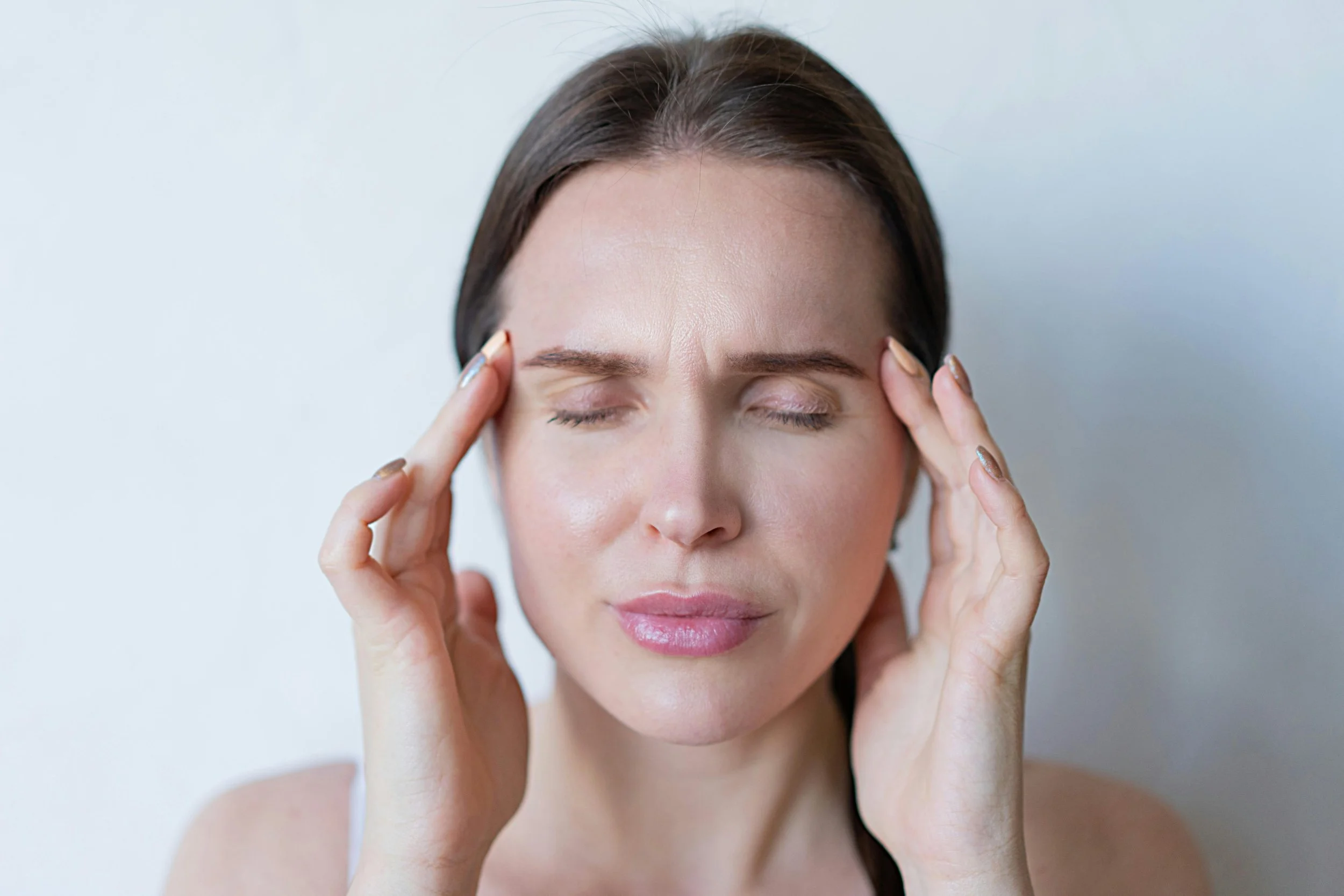
Tension headaches caused by anxiety often feel like a tight band around your head or pressure at your temples or base of your skull. Anxiety can also trigger migraines in susceptible individuals or increase their frequency and intensity. The relationship between anxiety and headaches operates bidirectionally, where anxiety causes headaches, but chronic pain also increases anxiety, creating a difficult cycle to break without addressing both the anxiety and the pain symptoms.
Sleep Disturbances Affecting Physical Health
Anxiety profoundly disrupts sleep, creating a vicious cycle where poor sleep increases anxiety, which further interferes with sleep quality and creates additional physical symptoms.
Sleep problems associated with anxiety might include difficulty falling asleep because your mind races with worries, waking frequently throughout the night, waking too early and being unable to return to sleep, or sleeping but never feeling rested despite adequate hours in bed. Poor sleep quality then contributes to many other physical symptoms, including headaches, digestive issues, weakened immune function, increased pain sensitivity, and difficulty concentrating.
The relationship between anxiety and sleep creates a particularly challenging cycle because inadequate sleep makes managing anxiety symptoms during waking hours significantly more difficult. Addressing both the underlying anxiety and developing good sleep hygiene becomes essential for breaking this pattern and improving overall physical health.
Getting Help for Anxiety and Physical Symptoms
If you recognize yourself in these descriptions of physical anxiety symptoms, effective treatment can significantly improve both your mental and physical well-being. At South Hills Counseling & Wellness, we offer comprehensive anxiety treatment that addresses both the psychological and physical aspects of anxiety disorders.
Our therapeutic approaches include cognitive-behavioral techniques that help you understand and change thought patterns maintaining anxiety, exposure therapy that gradually reduces fear responses to physical sensations or situations, mindfulness and relaxation training that calms your nervous system, and education about the mind-body connection that helps you interpret physical sensations more accurately rather than catastrophizing about their meaning.
Treatment for anxiety-related physical symptoms often produces improvement more quickly than people expect when they've been struggling with unexplained physical problems for extended periods. As you learn to manage anxiety more effectively, many physical symptoms naturally diminish or become less distressing, even if they don't completely disappear.
Understanding that your symptoms stem from anxiety rather than dangerous medical conditions often provides significant relief and reduces the fear that intensifies symptoms. Our experienced therapists provide treatment at our Pleasant Hills, Bethel Park, and Upper St. Clair locations, with both in-person and online therapy options available. Contact us at 412-945-0692 or visit our contact page to schedule a consultation and begin addressing the anxiety affecting your physical health and quality of life.