
How Creative Expression Helps Process Emotions
Sometimes feelings are too big, too tangled, or too unfamiliar to put into words. You might sense that something is weighing on you, but when someone asks what is wrong, you cannot quite explain it. If this resonates with you, creative expression may offer a pathway to understanding and processing emotions that traditional conversation alone cannot reach.
At South Hills Counseling and Wellness, we believe that healing takes many forms. Creative expression, whether through drawing, painting, journaling, music, or movement, taps into parts of the brain that verbal communication sometimes misses. You do not need to be an artist to benefit from this approach. You simply need to be willing to explore.
The Science Behind Creative Expression and Emotional Processing
There is a growing body of research supporting what many people instinctively know: creative activities help us feel better. But the reason they help goes beyond simple distraction or relaxation. Creative expression engages the brain in unique ways that support genuine emotional processing.
When we experience difficult emotions, they are often stored not just as thoughts but as physical sensations, images, and fragmented memories. Traditional talk therapy is powerful, but some experiences resist verbal expression. Creative activities access the right hemisphere of the brain, which is more closely associated with emotion, imagery, and holistic thinking. This allows people to externalize feelings that might otherwise remain trapped beneath the surface.
The act of creating also activates the body's relaxation response. When you are focused on a creative task, whether it is shaping clay, writing a poem, or strumming a guitar, your nervous system shifts away from the fight-or-flight mode that stress and anxiety can trigger. This physiological shift creates space for emotional material to surface safely and gently.
Forms of Creative Expression That Support Emotional Health
Creative expression is wonderfully diverse. What works for one person may not resonate with another, and that is perfectly fine. The most important factor is choosing a form of expression that feels accessible and inviting to you.
Some of the most common and effective forms of creative expression for emotional processing include:
Visual Arts
Visual arts such as painting, drawing, collage, and sculpture, which allow you to represent emotions as colors, shapes, and textures
Writing and Journaling
Writing and Journaling, which can help organize racing thoughts and give voice to experiences that feel difficult to speak aloud
Music
Music, whether playing an instrument, singing, or simply listening intentionally, which connects deeply with emotion and memory
Movement and Dance
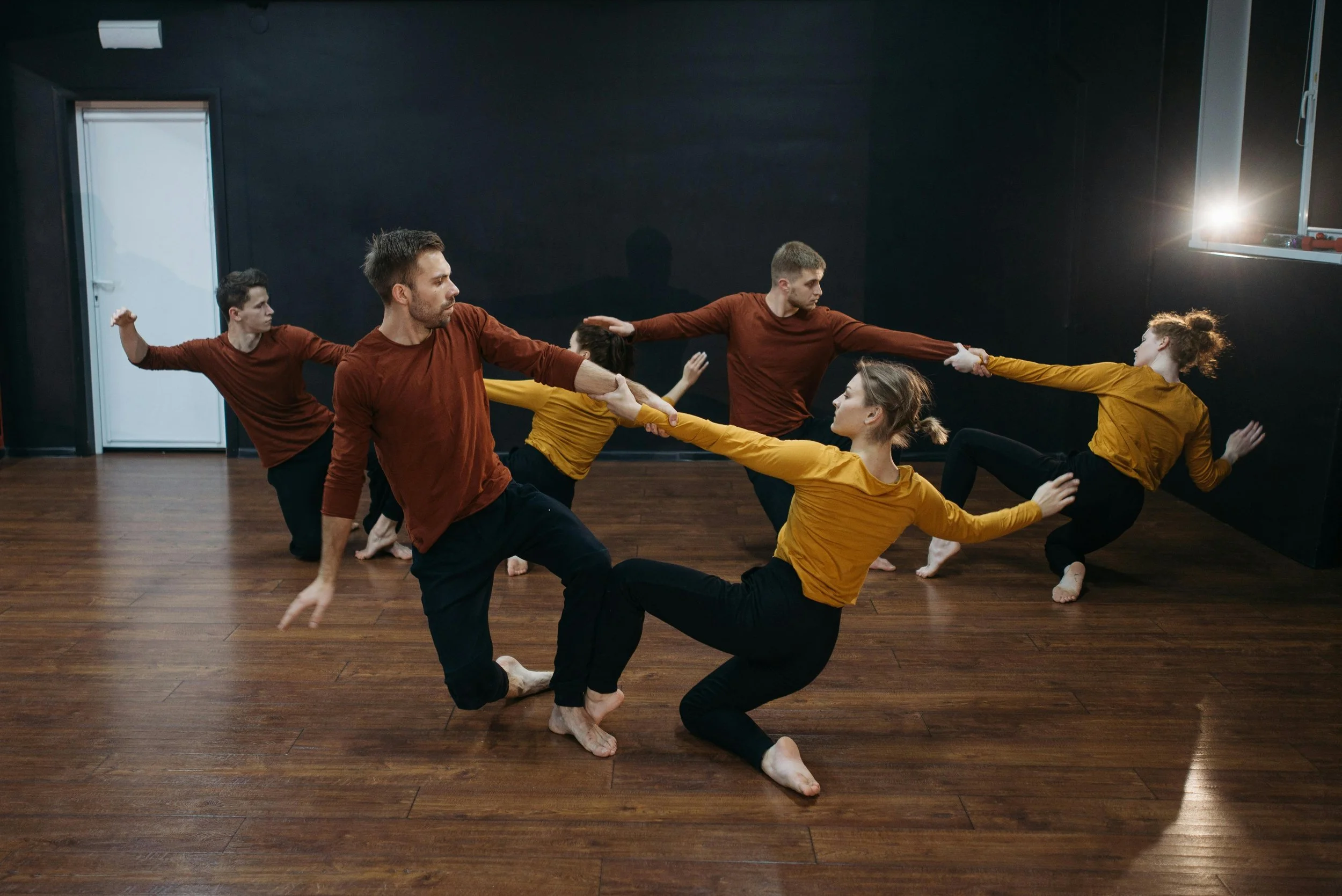
Movement and dance, which helps release emotions stored in the body and can be especially helpful for those processing trauma
Photography
Photography, which encourages mindfulness and a new way of seeing the world around you
Fiber Arts
Fiber Arts such as knitting, weaving, or sewing, which provide repetitive, meditative rhythms that calm the nervous system
The beauty of creative expression is that there is no wrong way to do it. The goal is not to produce something beautiful or technically impressive. The goal is to create a bridge between your inner emotional world and the outside, making the invisible visible and the overwhelming more manageable.
How Art Therapy Takes Creative Expression Further
While personal creative practices are valuable on their own, art therapy offers a structured, therapeutic approach that combines creative expression with professional clinical guidance. An art therapist is a trained mental health professional who uses the creative process to help clients explore emotions, develop self-awareness, and work through psychological challenges.
In an art therapy session, the focus is never on artistic skill. You will not be judged on how your artwork looks. Instead, your therapist will guide you through creative exercises designed to help you access and process specific emotions or experiences. The artwork itself becomes a starting point for deeper conversation and reflection.
Art therapy has been shown to be particularly effective for individuals who struggle with verbal expression, those processing trauma, children and adolescents who may not yet have the vocabulary for their emotions, and anyone looking for a fresh approach to personal growth. At South Hills Counseling and Wellness, our art therapists work with clients of all ages and bring a warm, nonjudgmental presence to every session.
If you are curious about what art therapy looks like in practice, our blog on art therapy techniques you can practice at home offers a wonderful introduction.
Ways Creative Expression Supports Mental Health
Creative expression supports emotional well-being in several interconnected ways. Here are five key benefits that highlight why this approach is so powerful:
1. It Provides a Safe Outlet for Difficult Emotions
Emotions like anger, grief, fear, and sadness can feel dangerous or overwhelming when they have nowhere to go. Creative expression provides a container for these feelings. When you pour your frustration into a painting or write about your loss in a journal, you are giving those emotions a place to exist outside of your body. This externalization can bring a surprising sense of relief and clarity.
2. It Builds Self-Awareness and Insight
The creative process often reveals things that the conscious mind has not yet recognized. You might start drawing and notice that you keep choosing dark colors, or you might begin a journal entry about your day and find yourself writing about a childhood memory instead. These unexpected moments of insight can open doors to deeper self-understanding and are often the starting point for meaningful therapeutic work.
3. It Reduces Stress and Supports Emotional Regulation
Engaging in creative activities lowers cortisol levels and activates the parasympathetic nervous system, helping you move from a state of stress into a state of calm. Over time, regular creative practice can improve your overall ability to manage emotional responses, building resilience against the daily pressures that contribute to depression and anxiety.
4. It Strengthens Connection and Communication
Creative expression can also improve your relationships. Sharing your creative work with a partner, family member, or therapist opens new channels of communication. For couples who struggle with verbal communication, creative activities can become a shared language that deepens understanding and intimacy. This can complement the work done in couples and marriage counseling.
5. It Fosters a Sense of Accomplishment and Identity
Creating something, anything, reinforces the idea that you are capable of producing something meaningful. For individuals dealing with low self-esteem, grief, or major life transitions, this sense of accomplishment can be deeply healing. Creative practice also helps you reconnect with parts of your identity that may have been overshadowed by stress, responsibilities, or mental health challenges.
Each of these benefits builds on the others, creating a positive cycle where creative engagement supports emotional health and emotional health supports continued creative exploration.
Getting Started with Creative Expression
If you are new to using creative expression as a tool for emotional processing, the most important thing is to start without judgment. You do not need expensive supplies, formal training, or a designated studio. You just need a willingness to try.
Begin with whatever feels most natural. If you liked coloring as a child, pick up some colored pencils. If music moves you, create a playlist that reflects how you are feeling and spend time listening intentionally. If you enjoy writing, set a timer for ten minutes and let yourself write without editing or censoring. The key is to approach the process with curiosity rather than expectation.
If you find that creative expression is opening up emotions that feel difficult to manage on your own, that is a sign that working with a professional could be a valuable next step. Individual therapy, and art therapy in particular, can provide the support and structure needed to explore these emotions safely.
Your Creative Path to Healing Starts Here
Creative expression is not a replacement for therapy, but it is a powerful complement to it. Whether you are processing a specific experience, managing ongoing stress, or simply looking for a new way to connect with yourself, the creative process has something to offer you.
At South Hills Counseling and Wellness, our team of therapists includes art therapy specialists who can guide you through this journey. We offer services at our offices in Pleasant Hills, Upper St. Clair, and Bethel Park, as well as through online sessions. If you are ready to explore how creativity can support your emotional growth, we invite you to contact us today and take the first step toward a more expressive, connected life.