
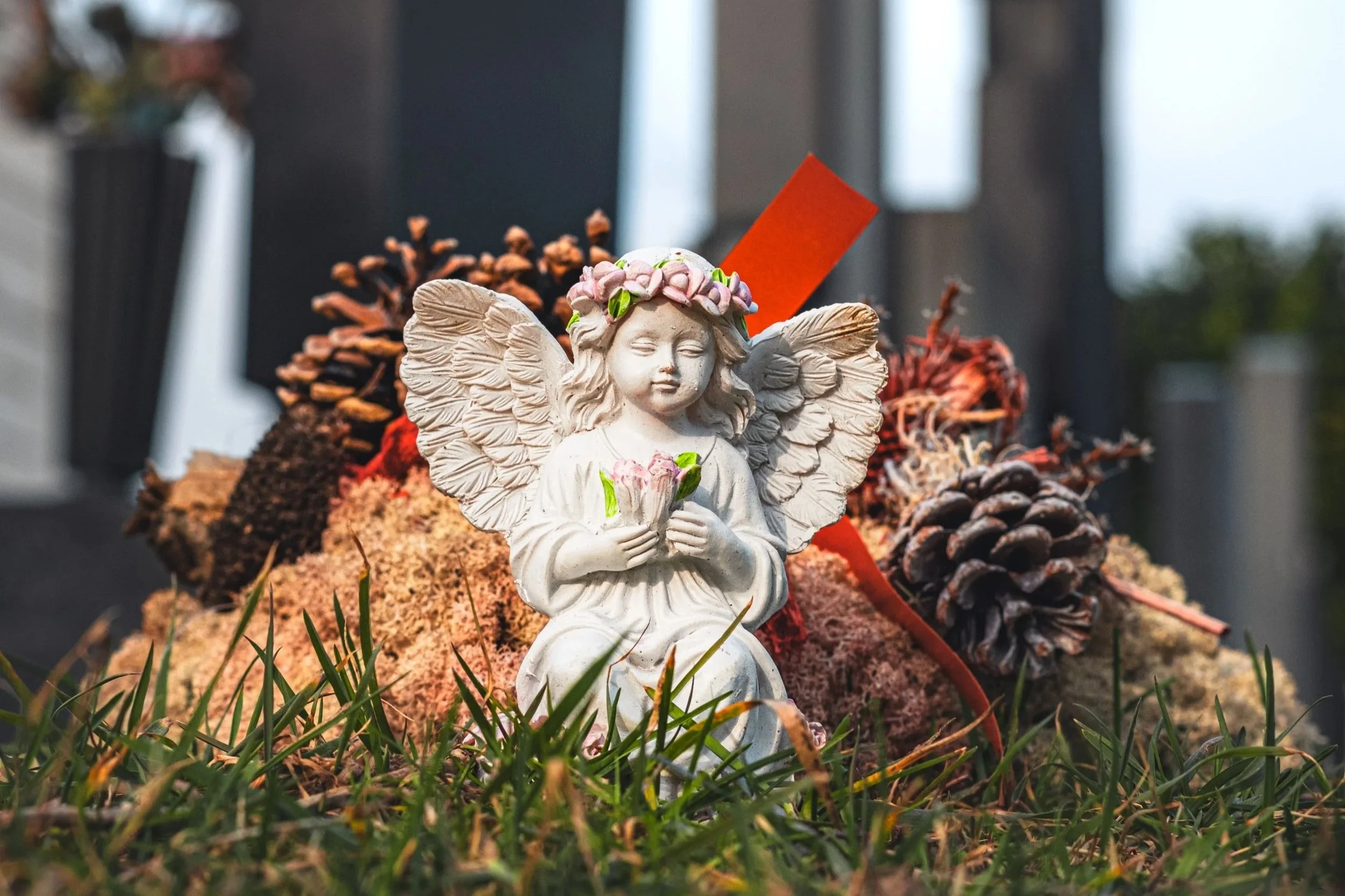
Grief has a way of reshaping time. In the early days after a loss, the hours can feel impossibly heavy, and later the world may seem to rush forward while your heart is still catching up. In the midst of that disorientation, many people search for something to hold onto, a way to stay connected to who or what they have lost. Rituals can offer exactly that: a gentle, intentional space to remember, feel, and heal.
A ritual does not have to be elaborate or religious. It can be as simple as lighting a candle or as personal as cooking a favorite recipe on a meaningful date. In this article, we will explore why rituals matter in grief, the different forms they can take, and how to create ones that feel authentic to you and to the relationship you are honoring.
Why Rituals Matter in Grief
When someone we love dies, or when we lose something central to our lives, our minds struggle to reconcile the presence we knew with the absence we now feel. Rituals help bridge that gap. They give shape to emotions that can otherwise feel formless and overwhelming, offering a container in which grief can be expressed rather than suppressed.
Rituals also create continuity. They allow the bond with a loved one to change form rather than disappear entirely, so that remembrance becomes a source of comfort instead of only pain. Over time, returning to a familiar ritual can mark how far you have come while still honoring how much the loss meant. This sense of ongoing connection is a healthy and well-recognized part of the grieving process.
Different Forms Rituals Can Take
There is no single correct way to honor a loss. The most meaningful rituals are the ones that reflect your personality, your beliefs, and the unique relationship you shared. Some people are drawn to quiet, private acts, while others find comfort in gathering community around them.
As you consider what might feel right, it can help to see the range of possibilities. The following examples are meant to spark ideas rather than serve as a checklist.
Sensory rituals, such as lighting a candle, wearing a loved one's scent, or playing a song that reminds you of them.
Nature-based rituals, like planting a tree, tending a garden, or visiting a place that held meaning for you both.
Creative rituals, including writing letters, keeping a memory journal, or making something with your hands.
Culinary rituals, such as preparing a favorite meal or setting a place at the table on special occasions.
Communal rituals, like an annual gathering, a candlelight moment with family, or a charitable act done in their name.
Calendar rituals, which mark birthdays, anniversaries, or holidays with an intentional pause to remember.
Notice which of these stir something in you. Your instinct is often a reliable guide. If you feel drawn toward artistic expression, for instance, working with a counselor trained in art therapy can help you channel grief into something tangible and healing.
How to Create a Ritual That Feels Right for You
Designing a personal ritual is less about following rules and more about listening to your own heart. The goal is to create something that brings comfort, invites connection, and gives your grief a place to be felt. The steps below can help you shape a ritual that feels genuine rather than obligatory.
Move through these at your own pace, and feel free to adapt anything that does not fit your situation.
1. Start With the Meaning You Want to Honor
Before choosing an activity, pause to consider what you most want to remember. Is it a person's warmth, their sense of humor, a shared passion, or the everyday moments you miss? Clarifying the meaning helps ensure the ritual reflects the relationship rather than a generic idea of mourning.
When the meaning leads, the form often becomes obvious. A grandmother's love of baking might inspire a yearly afternoon in the kitchen, while a friend's love of the outdoors might call for a walk on a familiar trail.
2. Choose Something Sustainable
A ritual does not need to be grand to be powerful. In fact, rituals that are simple and repeatable tend to offer the most lasting comfort, because you can return to them again and again without strain.
Consider your energy and your season of life. In deep grief, something small and gentle may serve you far better than an ambitious plan you cannot maintain. You can always let a ritual grow over time.
3. Engage Your Senses
Grief lives in the body as much as the mind, and rituals that involve the senses can be especially grounding. Touch, scent, sound, and taste have a way of reaching emotions that words cannot.
Lighting a candle, holding a meaningful object, or listening to a particular piece of music can bring a loved one vividly to mind. These sensory anchors help transform an ordinary moment into a sacred one.
4. Invite Others If It Helps
Some rituals are best kept private, while others gain meaning when shared. If your loss is one that touched a wider circle, inviting family or friends to participate can create a sense of solidarity and remind everyone that they are not grieving alone.
Be honest with yourself about what you need. There is no obligation to include others, and it is perfectly healthy to keep certain rituals as a quiet space that belongs only to you.
5. Allow the Ritual to Evolve
Grief changes over time, and your rituals can change with it. A practice that felt essential in the first year may soften into something lighter later on, or a new tradition may emerge as your relationship with the loss matures.
Give yourself permission to adjust. Letting a ritual evolve is not a betrayal of your loved one; it is a reflection of your own continued growth and healing.
As you experiment, remember that the "right" ritual is simply the one that helps you feel connected and supported. Trust yourself to know what that is.
When Grief Feels Too Heavy to Carry Alone
Rituals can be deeply comforting, yet they are not meant to replace the support of other people, and they cannot always carry the full weight of profound loss. Grief is one of the most demanding experiences a person can face, and needing help with it is not a weakness. It is a natural response to loving deeply.
You may find it helpful to reach out for professional support if your grief feels stuck, if it is interfering with daily functioning long after the loss, or if you are struggling with intense hopelessness. Compassionate grief counseling offers a safe space to process complicated emotions at your own pace. If grief has settled into a persistent low mood, care that addresses depression can also be an important part of healing.
Conclusion
Honoring a loss is not about moving on or leaving someone behind. It is about finding ways to carry love forward, transforming absence into an ongoing, meaningful connection. Rituals, whether quiet or communal, simple or elaborate, give grief a place to live and remind us that the bonds we cherish endure in new forms. There is no timeline and no perfect way to do this. There is only what brings you comfort and helps you keep loving in the ways that remain open to you.
If you are grieving and would welcome gentle, professional guidance, the caring team at South Hills Counseling is here for you. We invite you to reach out through our contact page whenever you feel ready to take the next step in your healing journey.